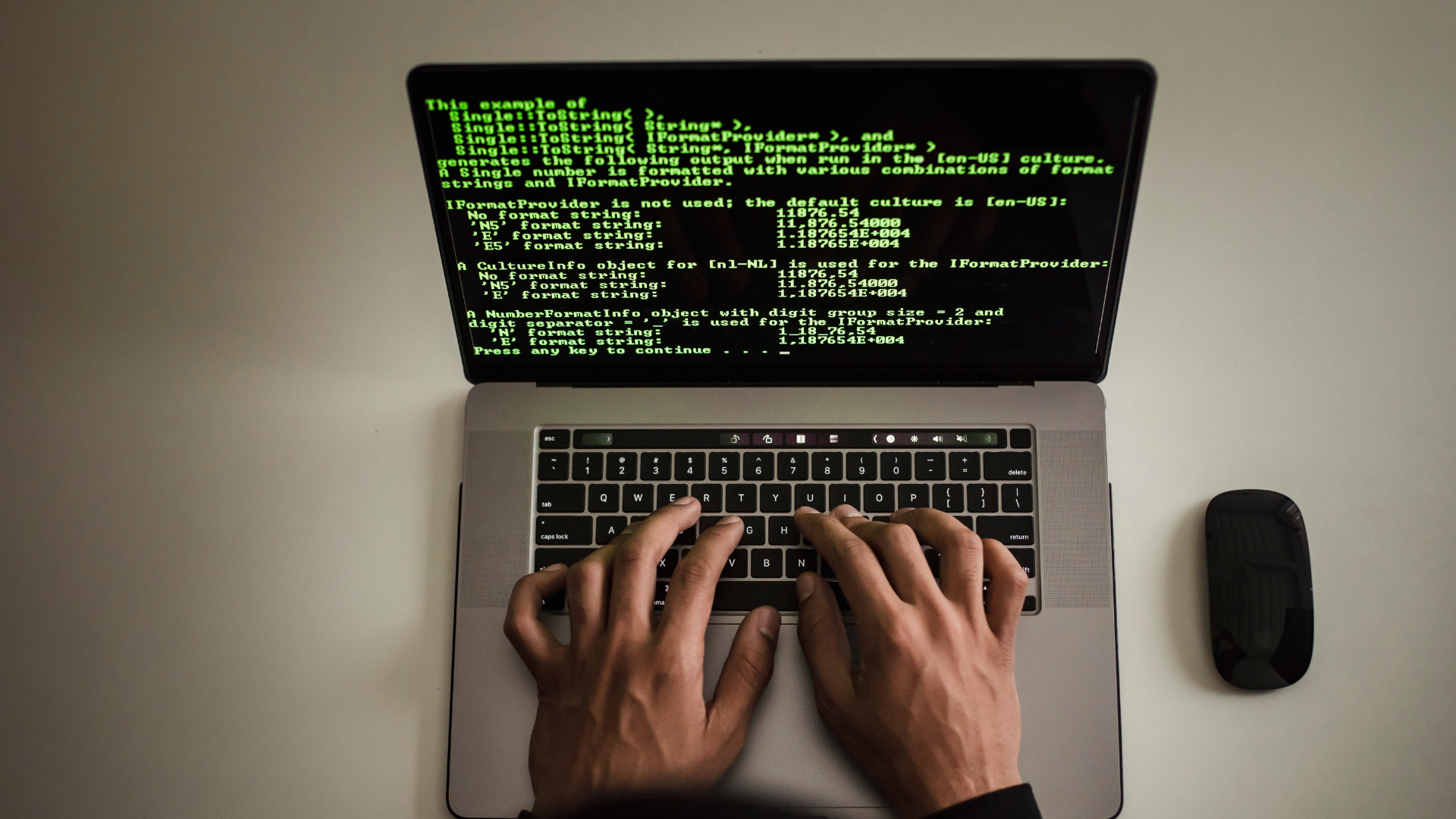
As a non-profit organization, your mission is to help others, but that doesn’t make you immune to cyber threats. Cybercriminals often target non-profits because they assume your defences are weaker. You handle valuable data like donor information, financial records, and employee details, all attractive to hackers. With limited budgets and resources, cyber security might not be a top priority, but one breach can seriously affect your credibility and operations. The good news? There are practical, affordable steps you can take to boost your security and protect the community that trusts you.
Understand Why Non-Profit Organizations Are Targets
Cybercriminals know that many non-profit organizations lack the resources for a full-scale IT department. The combination of valuable data and lower security measures makes non-profits an easy target. From phishing scams to ransomware attacks, the risks are real and growing.
Being small or community-focused doesn’t make you invisible. Over 50% of non-profits surveyed admitted they don’t regularly assess cyber risks, increasing vulnerability.
First Invest in Staff Training
Technology can only go so far. Your team is the first line of defence, and if they’re not trained to recognize threats, you’re fighting an uphill battle. Phishing emails are getting more convincing by the day. Something as simple as clicking on a fake link can expose your entire system.
Run cyber awareness workshops at least twice a year. Teach your team to spot red flags like suspicious attachments, urgent “update your password” requests, or unfamiliar file-sharing links. And yes, that includes volunteers and part-time workers too. Anyone who uses your systems should be trained.
Tighten Access Controls
Not everyone on your team needs access to everything. Limit data access based on roles. For instance, your marketing volunteer doesn’t need access to your donor financial records. Using role-based access controls reduces the number of people who can accidentally (or intentionally) mess with sensitive data.
Also, enforce multi-factor authentication (MFA) across your accounts. It might seem like an extra step, but MFA adds a crucial layer of protection that makes it much harder for outsiders to gain access.
Back-Up Your Data and Test the Backups
Data loss can happen in an instant, whether from a cyberattack, hardware failure, or even accidental deletion. Regular backups can mean the difference between a minor inconvenience and a major disaster. Store backups in at least two different locations, ideally one cloud-based and one physical.
But don’t stop there. Test your backup systems regularly. If you’ve never tried restoring backup, how can you be sure it works? Set a schedule to test your recovery process every quarter, and document the steps so everyone knows what to do in a crisis.
Keep Software and Systems Updated
We get it software updates are annoying. However, outdated systems are full of security gaps that hackers exploit. Enable automatic updates where possible, especially for your operating systems, antivirus software, and applications.
If your team uses personal devices to access work files (common in smaller non-profits), ensure those devices are kept up to date and protected with antivirus tools. One unpatched laptop can compromise your entire network.
Protect Donor and Financial Data
Your donors trust you with their private information, and it’s your responsibility to keep it secure. Encryption is one of the most effective ways to protect donor data both at rest and in transit.
Use secure payment processors for online donations and avoid storing complete credit card information on your servers. Also, consider anonymizing data where possible, especially when you only need internal reporting or analysis data.
Develop an Incident Response Plan
Hope for the best, but prepare for the worst. If a breach happens, you need to act fast. An incident response plan outlines exactly who does what, when, and how. It should include:
- Who should you contact (IT support, legal, board members)?
- What steps were taken to contain the breach?
- How to notify affected stakeholders?
- What documentation do I prepare for reporting?
Non-profits that respond quickly to incidents recover faster and maintain donor trust better than those that scramble at the last minute.
Work With Cyber Security Experts (Even If Only Occasionally)?
You don’t need a full-time IT security team to make smart decisions. Many firms offer affordable consultations or audits tailored to non-profit organizations. Even a one-time review of your systems can help you identify weak spots and get recommendations for improvement.
Don’t be afraid to ask about discounts for non-profits. Many providers offer reduced rates or even pro bono support. Just make sure they understand the specific challenges of your sector.
Cybersecurity might sound intimidating, especially when you’re already stretched thin. But protecting your data, your donors, and your mission doesn’t have to be expensive or overwhelming. You’ll significantly reduce your risk by taking a few intentional steps, like training your staff, updating your systems, and limiting data access.
Contact Black and Gill LLP in Toronto to Help You Strengthen Your Financial and Cyber Security
A skilled accountant and consultant can help you set up the necessary processes, software, and systems to protect the information and do frequent system checks to identify threats. At Black and Gill LLP, our accountants and advisors can provide services such as system consultation and process setup. To learn more about how Black and Gill LLP can help your non-profit organization function securely and efficiently, contact us online or call us at 416-477-7681 to learn more about how we can help you and your business.